- Our Work
- Industries We Serve
- Services We Deliver
- Why Work with Us
- Our Thinking
- News
- Insights
- 5 Ways Design Systems Create Business Value
- 5 Ways to Make Your Nonprofit Engage Using Facebook Timeline
- 6 Great Interactive Data Visualization Tools (Part 1)
- 6 Great Interactive Data Visualization Tools (Part 2)
- Announcing the First Brands Behaving Badly Awards
- April 16, 2012
- April 2, 2012
- April 23, 2012
- April 30, 2012
- April 9, 2012
- Best of 2011 Roundup
- Brands Behaving Badly, Summer 2010 Bronze Medalist, Lebron James
- Brands Behaving Badly, Summer 2010 Gold Medalist, BP
- Brands Behaving Badly, Summer 2010 Silver Medalist, Toyota
- DIY Communications: Multitasking Your Way to a Mediocre Brand
- February 13, 2012
- February 21, 2012
- February 27, 2012
- February 6, 2012
- Five Things to Consider as You Dive Into Responsive Web Design
- Getting High on Your Own Supply
- Intervention: Identity Crisis Edition
- Invest in Partners, Not Products
- Is Your User Experience Degrading Your Brand?
- January 16, 2012
- January 30, 2012
- July 16, 2012
- July 2, 2012
- July 23, 2012
- June 11, 2012
- June 18, 2012
- June 4, 2012
- Labeling for Good: White Paper
- March 12, 2012
- March 19, 2012
- March 26, 2012
- March 5, 2012
- Maximizing Design Firm Relationships During the Budgeting Process
- Maximizing Design Firm Relationships by Managing Stakeholder Input
- Maximizing Design Firm Relationships by Setting Appropriate Success Metrics
- May 14, 2012
- May 21, 2012
- May 29th, 2012
- May 7, 2012
- Putting Pinterest to Work for Your Business or Nonprofit Brand
- Putting Pinterest to Work for Your Business or Nonprofit Brand Part 2
- Responsive Design Planning: More Than a Line Item
- Rethinking the Traditional Policy Report
- Show Your Nonprofit's Brand a Little Love!
- Speaking a Client's Language
- State of the State of the Union: Power(Point) to the People?
- Stepping Back From Komen's Brand Disaster
- Storytelling for Business: The Infographic!
- The 5 Benefits of Designing a Consistent Brand
- The Fundamentals of Developing a Strong Brand
- The Website RFP - Basic Best Practices for Small Businesses and Non-Profit Organizations
- Three Ways for Nonprofits to Maximize Design Firm Relationships
- Three Ways to Future-Proof Your Content Management System
- Web Typography Part 1
- Web Typography: An Important Way to Strengthen Your Brand Online (Part 2)
- All
Invest in Partners, Not Products
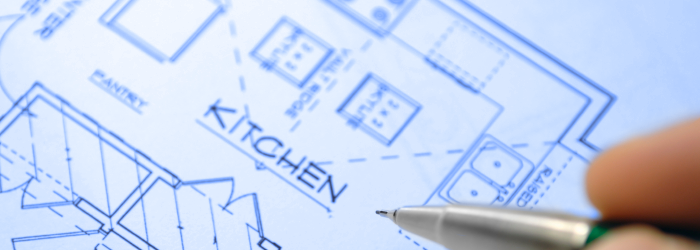
This morning I opened my kitchen cabinet to retrieve a coffee mug, and the entire cabinet collapsed into the sink. I must say the crash livened me up faster than the coffee would have.
You’d think I’d be upset by the broken plates, gaping hole in the wall, and thin veneer of dust that now covered everything within a 10-foot radius. But really, I’d been waiting for this day with great anticipation ever since we bought the house. Kitchen renovation had been at the bottom of our list of home improvement projects... until now. Now I have indisputable evidence that not only is our kitchen terribly ugly, it is structurally unsound. It’s unsafe! We NEED to renovate. It is my responsibility--nay, my duty--to gut the entire room and install new cabinets & countertops. And a new floor. And maybe one of those cool induction stovetops! You know, for safety.
The Value of a Consultative Partner
All kidding aside, I want to take this opportunity to make an investment in my home. I want to ensure that whatever we build now will continue to be aesthetically and functionally appropriate for many years to come, and hopefully add to the house’s resale value. So I decided to enlist the services of a construction company and an interior designer.
Just as kitchen remodelling is an investment in your home, a website redesign is an investment in your business. By partnering with a design firm, you benefit from the experience and perspective of professionals who’ve been there before, and can help guide you through the inevitable challenges of a highly complex and personalized project. Before the work of building the site begins, your design partner will learn, plan, and think alongside you, helping you to problem-solve and create a solution that will support your organization for years to come.
Process vs. Products
Before we decide what kind of cabinetry to buy, an interior designer might ask me about my family’s eating habits, how often we like to entertain, and whether we’re more casual or more formal. Only by going through this process will we arrive at not just a nicer looking kitchen, but one that fits my family’s specific needs. We’ll still need to purchase and install appliances and furniture, but the designer’s value is in guiding us through a process that will result in a more appropriate solution than we might have ended up with otherwise.
For the do-it-yourselfer, there are many web templates and tools available to create and manage your own website. But none of those products will help you to align the content and functionality of your site to the needs of your organization and the expectations of your audience. That’s the result of a process, not a product, which makes comparing the costs and features of an off-the-shelf product with a customized solution like comparing apples to cooking lessons.
Process-Driven vs. Budget-Driven Decisions
This approach I’ve discussed thus far can be described as “Process-Driven.” Decisions made during design & planning will impact your schedule and/or budget. For example, my choice of gas vs. electric vs. inductive stovetop will affect what kind of connections are needed behind the stove, which may in turn impact where studs are placed, and so on. Each of these possibilities carry their own risks and costs. Therefore, a process-driven approach requires a certain degree of flexibility.
If there is little or no flexibility in the budget or schedule, the project is managed slightly differently. The designer may offer fewer choices, and as a customer, I may refrain from requesting additions or changes that weren’t disclosed before we received a quote. While it’s possible to get very good results with a budget-driven approach, you can see how it’s likely to lead to sacrifices in some areas.
In the end, it boils down to your goals for a project and the resources (read: money) you have available. While our tendency is to play our cards close to our chest when it comes to discussing budget, it’s actually a good idea to be somewhat transparent about your threshold for overages. If your design partner has integrity, they will use the information to tailor an experience to your needs and produce the best results possible within your particular parameters. If you’re concerned that they’d use the information to take advantage of you, you probably shouldn’t partner with them in the first place.
Now, where’s my copy of Modern Kitchen?
InsightsDesign Thinking For Sustainable Social Change
NewsNonprofit Technology Network Publishes MSDS DataViz Feature
InsightsWriting Effective Impact Stories for Nonprofits